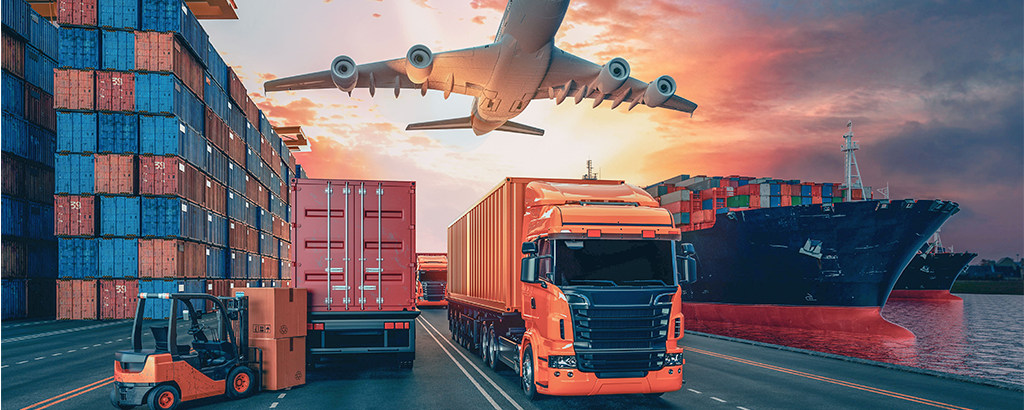
Transportation is one of the most significant contributors to environmental degradation, yet it is also an essential part of modern life. From commuting to work, transporting goods, or simply going on vacation, our daily movements rely on a complex web of TMS System systems. Unfortunately, these systems, which predominantly rely on fossil fuels, are major culprits in the ongoing environmental crisis. The impact of transportation on the environment is profound, from the carbon dioxide (CO2) emissions that contribute to global warming to the air pollution that harms both our health and the planet’s ecosystem. However, the good news is that there are increasingly viable solutions on the horizon, offering a chance to shift towards greener, more sustainable transportation methods. This transformation is not only necessary but also an opportunity to redesign how we move, making our cities cleaner, our air fresher, and our future more sustainable.
At the heart of the environmental challenges posed by transportation is the reliance on fossil fuels. Cars, trucks, buses, and planes emit carbon dioxide (CO2), a greenhouse gas that traps heat in the Earth’s atmosphere, leading to global warming. Transportation accounts for a significant portion of global carbon emissions—approximately 14% of all greenhouse gases globally. This makes the sector a primary target for efforts aimed at mitigating climate change. The conventional combustion engine, used in most vehicles today, burns gasoline or diesel, which releases large amounts of CO2. In addition to CO2, these vehicles also emit other harmful pollutants, such as nitrogen oxides (NOx) and particulate matter, which contribute to smog, acid rain, and respiratory diseases. In urban areas, this pollution is especially problematic, contributing to poor air quality that directly impacts human health, particularly among vulnerable populations, such as children and the elderly.
The environmental toll of transportation is not limited to emissions from vehicles on the road or in the air. The construction and maintenance of transportation infrastructure, such as roads, bridges, tunnels, and airports, also have significant environmental consequences. For instance, the production of cement, steel, and other materials used in infrastructure development is highly energy-intensive and contributes to CO2 emissions. Furthermore, the urban sprawl driven by automobile dependence often leads to habitat destruction, reduced biodiversity, and increased runoff that pollutes water sources. As cities expand to accommodate more vehicles, the environmental footprint of transportation systems grows, exacerbating the very problems that green transportation seeks to solve.
Given the undeniable environmental challenges, transitioning to more sustainable transportation systems is critical. The good news is that viable solutions are available, many of which are already being implemented across the globe. The first and most talked-about solution is the shift from fossil fuel-powered vehicles to electric vehicles (EVs). EVs run on electricity, which can be sourced from renewable energy sources like wind, solar, or hydroelectric power. This not only reduces the emissions from individual vehicles but also offers a chance to decarbonize the transportation sector on a large scale. In addition to being more environmentally friendly, EVs have the potential to improve air quality, especially in urban areas, by reducing harmful pollutants from tailpipes. Governments are already offering subsidies and incentives to encourage the adoption of EVs, and the technology continues to improve, with longer battery life, faster charging times, and decreasing costs. As the charging infrastructure for EVs expands, it will become easier and more convenient for people to make the switch.
While electric cars are a key part of the solution, they represent only one piece of the puzzle. Public transportation also plays an essential role in reducing the environmental impact of transportation. Buses, trams, subways, and trains can move large numbers of people efficiently, reducing the number of private vehicles on the road and thus cutting emissions and alleviating congestion. Public transit is particularly effective in dense urban environments, where the alternative is often an over-reliance on cars. Electrifying public transit is one of the most effective ways to reduce urban emissions, and many cities are already making strides in this direction. For example, cities like Shenzhen in China have completely transitioned their public bus fleets to electric buses, showing that large-scale electrification is not only possible but necessary. Additionally, investments in high-speed rail and other green modes of public transport can reduce the need for short-haul flights, which are particularly carbon-intensive.
Beyond electrification, green mobility also includes promoting walking, cycling, and other low-carbon forms of transportation. A shift towards a more pedestrian- and bike-friendly urban design can encourage people to choose active transportation, which has the dual benefit of reducing emissions and improving public health. Cities like Copenhagen, Amsterdam, and Portland are world leaders in designing infrastructure that prioritizes bicycles and pedestrians, proving that such investments not only create more sustainable urban environments but also improve the quality of life for residents. By reducing car dependency, these cities have seen a reduction in traffic congestion, pollution, and even healthcare costs related to physical inactivity.
In addition to these direct solutions, another critical strategy for building a greener transportation future is the concept of “mobility as a service” (MaaS). This approach focuses on providing a seamless, integrated transportation network that allows users to choose from a variety of modes, including buses, trains, bicycles, ride-sharing, and even electric scooters, all from a single app. MaaS makes transportation more efficient by reducing the need for car ownership, optimizing routes, and providing real-time information to users. By facilitating easier access to sustainable transportation options, MaaS can help reduce the number of private cars on the road, cutting down on traffic congestion and emissions.
However, the transition to greener transportation does not come without its challenges. The infrastructure required to support a greener future—such as charging stations for electric vehicles, bike lanes, and expanded public transit networks—requires significant investment and planning. This is where government policy plays a crucial role. Incentives and subsidies for EVs, fuel-efficient vehicles, and sustainable public transit systems are essential to accelerate adoption. Additionally, governments must invest in the development of sustainable infrastructure, especially in cities that currently lack adequate transit systems or the necessary facilities for alternative modes of transport. Moreover, policies must focus on ensuring equitable access to these solutions, ensuring that low-income communities also benefit from cleaner and more affordable transportation options.
Another challenge is the need for education and behavior change. People must be encouraged to shift away from car dependency and embrace more sustainable modes of transport. This means fostering a cultural change where walking, cycling, and public transportation are not just seen as alternatives but as desirable, convenient, and sustainable options. Public awareness campaigns, coupled with incentives for businesses and individuals, can help shift societal attitudes towards more sustainable travel choices. Additionally, urban planning needs to focus on creating “15-minute cities”—cities where residents can access most of their daily needs within a 15-minute walk or bike ride from their homes. This would reduce the need for long commutes and car trips, further lowering emissions.
In conclusion, transportation is a key area where we can make significant strides in reducing our environmental impact. The transition to greener mobility, from electric vehicles and sustainable public transit to active transportation and integrated mobility solutions, offers an exciting opportunity to address the environmental challenges we face. However, achieving this greener future requires concerted effort from governments, businesses, and individuals alike. By investing in cleaner technologies, improving infrastructure, and changing how we think about transportation, we can move towards a more sustainable, healthier, and equitable future. The road ahead is challenging, but the potential rewards—cleaner air, reduced emissions, and a more sustainable world—are worth the effort.