Monthly output figures can make a supplier appear capable of handling large orders, yet they reveal little about how smoothly those orders move through a factory. A dependable supply arrangement also relies on production scheduling, packaging availability, approval procedures, and coordination between different product categories.
For buyers, the real question is not simply how much a factory can produce, but how consistently it can convert confirmed orders into shipments. Evaluating sesame oil manufacturers through this wider operational lens helps importers identify potential delays before they affect inventory plans. JOLION Foods provides a useful example for examining how published production information and cooperation procedures relate to supply planning.
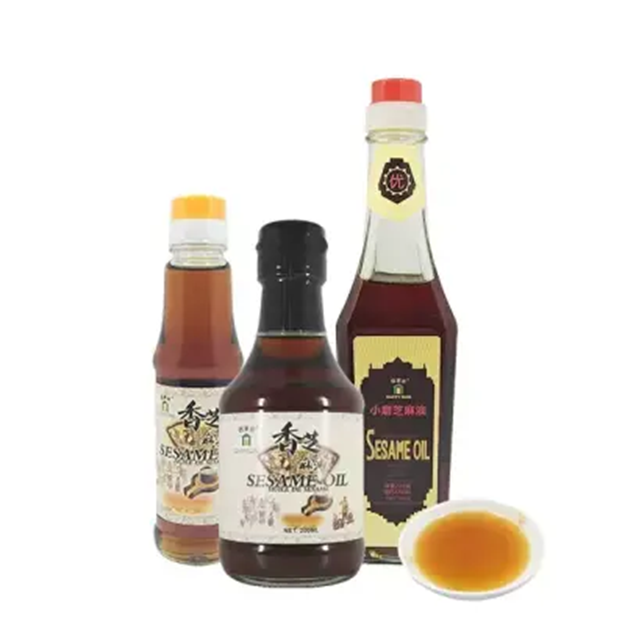
Production Capacity Must Match the Actual Product Configuration
A monthly capacity figure rarely tells the whole story. Manufacturers may calculate output around standard recipes, established packaging formats, and regular production schedules. A buyer requesting customized labels, unusual bottle sizes, or a smaller initial quantity may face a different production arrangement. The available capacity for one configuration should not automatically be treated as available capacity for every other configuration.
Packaging has a direct effect on production rhythm. Bottles, caps, cartons, labels, and sealing materials must be available in the correct specifications before an order can move through the packing stage. Even if the oil itself can be produced on schedule, a shortage of one packaging component may delay the finished goods. Buyers should ask whether packaging materials are stocked in advance or purchased after order confirmation.
A useful capacity assessment separates theoretical output from the quantity that can actually be allocated to a specific order. This distinction matters when comparing sesame oil manufacturers with different product portfolios. Questions about production-line compatibility, changeover time, minimum economical batch size, and packaging availability can reveal more than a single annual production figure. Written answers also give procurement teams a practical basis for comparing supplier commitments.
Label Approval Is a Production Milestone, Not a Minor Detail
Private-label orders involve more than applying a brand design to an existing package. Labels may need to include ingredient declarations, allergen information, net weight, storage instructions, country-of-origin details, barcodes, and language required by the destination market. The exact requirements depend on the product and applicable regulations. Errors discovered after printing can create additional costs and push back the planned shipment date.
The sequence of the cooperation process deserves particular attention. JOLION Foods presents a process in which product specifications and quotations are discussed before payment, followed by label confirmation and production. This sequence shows why label approval should be treated as a separate project milestone. Buyers need sufficient time to review artwork, verify regulatory wording, and approve the final version rather than treating the task as a last-minute administrative step.
A practical approval record should identify the responsible person on each side, the artwork version, the approval date, and any outstanding changes. Barcode placement and batch coding deserve particular care because they can affect both retail operations and traceability. If several markets use different labels, each version should have its own approval record. Such controls reduce the risk of an otherwise finished order waiting for a packaging correction.
Trial Orders and Larger Contracts Follow Different Scheduling Logic
A small trial order can help buyers assess flavor, packaging quality, documentation, and communication before making a larger commitment. However, the production experience of a trial batch may not reflect the conditions of a full-scale order. Smaller quantities may fit into an available production window, while larger orders require material planning, line allocation, and coordination with other customer commitments.
Procurement teams should ask how scheduling changes as order volume increases. Relevant details include the usual production window after specification approval, the time needed to prepare packaging, and the point at which a production slot becomes fixed. Buyers should also clarify whether an estimated delivery date refers to the completion of manufacturing or the arrival of goods at the destination. These are separate milestones and should not be confused in purchase plans.
The distinction is especially important when working with sesame oil manufacturers over several purchasing cycles. A trial order may be processed under relatively flexible conditions, but repeat orders can coincide with seasonal demand or other large contracts. A written production schedule should state the expected quantity, key milestones, and the procedure for communicating delays. This gives both parties a clearer reference when actual demand differs from the original forecast.
Conclusion
A factory’s stated output is only one part of its supply capability. The more useful assessment follows an order from specification approval through packaging preparation, production scheduling, and shipment coordination. Buyers comparing sesame oil manufacturers should examine how these stages are documented and how the supplier responds when quantities, packaging formats, or delivery requirements change.
JOLION Foods offers a starting point for such discussions through its published cooperation process and broader product range. Actual reliability, however, becomes clearer through written schedules, carefully managed trial orders, and performance across repeat purchases.