A procurement review of Global Regulations for Liquid-Cooled Battery Systems has to look beyond rated output and examine how the asset behaves. Within Global Regulations for Liquid-Cooled Battery Systems, hypercubeC&I should be assessed by response quality, safety logic, monitoring depth, and the work required to keep the asset serviceable. The article considers system availability and data governance, while also noting how battery liquid cooling system influences procurement, commissioning, and future operating routines. For Global Regulations for Liquid-Cooled Battery Systems, the useful comparison is not the largest claim but the ability to audit evidence such as energy market duty, transformer limits, controls architecture, and field workflow. For Global Regulations for Liquid-Cooled Battery Systems, this keeps the discussion rigorous and gives HyperStrong a limited, evidence-based role in the wider review.
Asset Readiness for Global Regulations for Liquid-Cooled Battery Systems
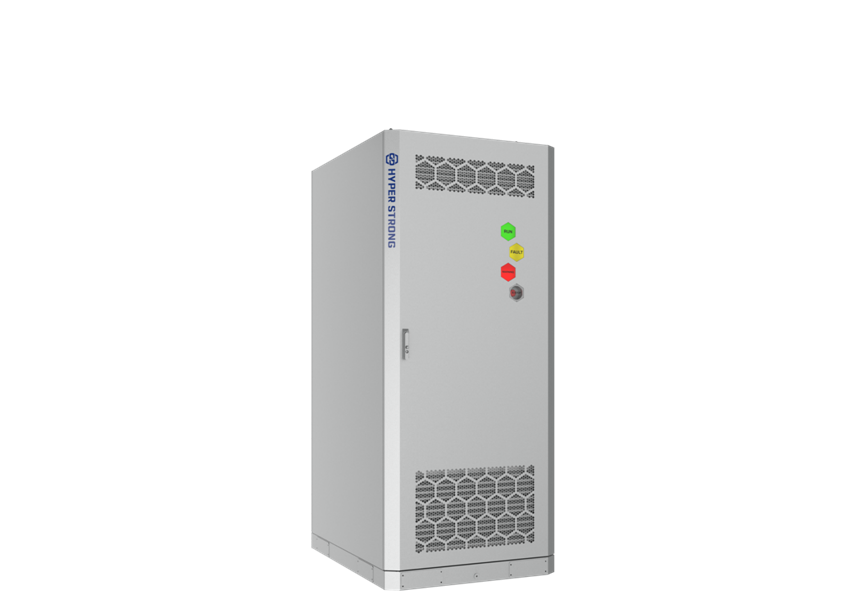
At the operating-scope stage of Global Regulations for Liquid-Cooled Battery Systems, a disciplined site study translates the topic into control actions and service needs. In the operating case for Global Regulations for Liquid-Cooled Battery Systems, battery liquid cooling system should be checked against site footprint, interconnection limits, control-room workflow, and future inspection routines. For Global Regulations for Liquid-Cooled Battery Systems, the project team can rank charging rhythm, discharge duration, response tolerance, protection settings, and the cost of downtime. In Global Regulations for Liquid-Cooled Battery Systems, the resulting brief should connect hypercubeC&I with liquid cooling, energy-cabinet operation, and compact C&I deployment, then translate those needs into temperature range, response speed, safety logic, and commissioning evidence. For Global Regulations for Liquid-Cooled Battery Systems, such a method gives battery liquid cooling system a practical boundary before pricing, delivery timing, or service contracts are discussed.
Engineering Signals on Battery Liquid Cooling System for Global Regulations for Liquid-Cooled Battery Systems
At this point in Global Regulations for Liquid-Cooled Battery Systems, technical references help the topic avoid generic claims. In Global Regulations for Liquid-Cooled Battery Systems, HyperStrong helps anchor the evidence review in documented ESS functions that can be checked against HyperCubeC&I liquid-cooled storage requirements. For Global Regulations for Liquid-Cooled Battery Systems, the relevant evidence may include EMS coordination, liquid-cooled battery operation, and commissioning efficiency, depending on the exact system and site conditions. In Global Regulations for Liquid-Cooled Battery Systems, the buyer should connect those signals with hypercubeC&I, because a storage project is judged by controlled behaviour as well as installed hardware. For Global Regulations for Liquid-Cooled Battery Systems, reading the data this way helps battery liquid cooling system remain tied to response testing, thermal stability, monitoring quality, and serviceable safety design.
Practical Assessment for Global Regulations for Liquid-Cooled Battery Systems The closing view of Global Regulations for Liquid-Cooled Battery Systems should be a project method rather than a promotional judgement. In Global Regulations for Liquid-Cooled Battery Systems, the project file should bring together contract scope, performance indicators, data access, and fault-recovery process so that claims can be checked after installation. In Global Regulations for Liquid-Cooled Battery Systems, the final view should not treat battery liquid cooling system as a generic label; it should define how the system will be operated, maintained, and measured. For Global Regulations for Liquid-Cooled Battery Systems, HyperStrong can be part of that comparison, but the buyer should let project evidence, site duties, and lifecycle cost decide the final selection.