Traditional clock-in clock-out systems provide a basic ledger of hours worked, but in today’s dynamic work environments, simple time fire wood don’t succeed of meeting the wants of modern organizations. Advanced time tracking features—ranging from project-specific timers and biometric authentication to real-time dashboards and employee self-service portals—offer powerful ways to enhance answerability, ensure complying with labor regulations, and foster deeper team proposal. By moving beyond standard punch clocks, employers can transform time data from static records into actionable brains that optimizes resource allowance, mitigates risk, and cultivates a culture of openness and trust.
Automated Timesheets and Real-Time Monitoring
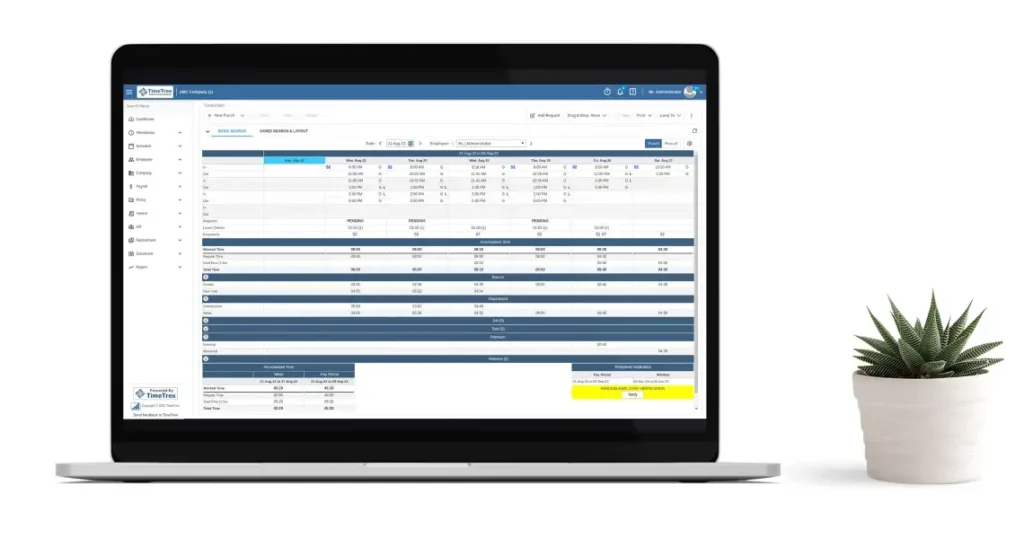
Automated timesheets eliminate the admin burden of manual entry and minimize human error, ensuring that every minute worked is captured accurately. Modern time tracking apps can automatically generate timesheets by aggregating clock-in data, shift patterns, time sheet app and break times, then submit them for manager approval with a single click. Coupled with real-time monitoring dashboards, administrators gain instant visibility into who is working, on which tasks, and for how long. This continuous oversight encourages supervisors to reassign resources on the fly, balance workloads, and identify potential bottlenecks before they derail project timelines—all without intrusive micromanagement.
Geofencing and Biometric Authentication for Complying
Geofencing ensures that employees can only time in when physically present at approved locations, preventing “buddy punching” and off-site inaccuracies. When combined with biometric authentication—such as fingerprint or facial recognition—organizations assemble robust safeguards against time theft and unauthorized access. These technologies not only uphold trust in recorded hours but also strengthen complying with labor laws that require precise location and identity records, such as existing salary requirements on construction sites or remote-work fine prints in regulated industries. The result is airtight audit pistes that protect both employer and employee interests.
Project and Task-Level Tracking for Answerability
Gone are the days when a universal eight-hour entry sufficed; today’s businesses demand granular insight into how time is assigned across projects and tasks. Advanced trackers allow users to start and stop timers for individual tasks—writing a written report, troubleshooting a ticket, or attending litigant call—and automatically tag entries with project codes and billable status. This level of detail facilitates accurate client invoicing, internal cost allowance, and performance assessment. When team members know that their contributions are visible and valued at the task level, they take greater ownership of their work and prioritize tasks in positioning with organizational goals.
Idle Time Prognosis and Activity Monitoring
Sophisticated idle time prognosis flags periods of inactivity—when a user steps away from their desk or neglects to start an activity timer—ensuring that payroll demonstrates only productive work. Activity monitoring features can optionally track application usage or keystroke patterns to distinguish focused work from disruptions. Rather than policing employees, these tools provide information into workflow inefficiencies: perhaps excessive context-switching, unfullfiling meetings, or software training needs. By presenting these findings in aggregate rather than singling out individuals, administrators can address systemic issues, improve processes, and support employees in working better, not just harder.
Seamless Integrations with Payroll and Project Management
True efficiency emerges when time tracking data flows faultlessly into payroll, invoicing, and project management systems. Integrations with platforms like QuickBooks, ADP, or SAP automate the calculations of wages, overtime, and benefits, eliminating getting back together headaches and payroll errors. Likewise, syncing with project tools—Asana, Jira, or Trello—ensures that point entries attach right to tasks and tickets, providing administrators with real-time burn-rate information and enabling more accurate projecting. These end-to-end workflows reduce admin cost to do business and create a specific data ecosystem that drives informed decision-making.
Analytics, Canceling, and Continuous Improvement
Raw time fire wood hold little value without meaningful analysis. Advanced time tracking solutions offer custom dashboards and reports that surface key performance indicators—utilization rates, overtime trends, project earning, and complying metrics. By reviewing these reports regularly, command can spot emerging patterns—such as chronic underestimation of task trips or recurring overtime spikes—and implement targeted interventions, like process automation or staff training. Establishing a cadence of continuous improvement turns time tracking into a strategic tool for boosting in business efficiency, reducing labor costs, and enhancing service delivery.
Employee Self-Service and Gamification for Proposal
Empowering employees with self-service access to their time data fosters openness and ownership. Modern apps allow team members to view and change their own timesheets, request time-off, and track progress against personal goals. Adding gamification elements—such as badges for timely articles, leaderboards for project contributions, or milestone celebrations—injects a spirit of friendly competition and recognition into routine tasks. This blend of autonomy and positive encouragement improves time tracking from a complying exercise to an engaging area of workplace culture, driving higher involvement rates and reinforcing shared answerability.
Conclusion
Moving beyond basic clock-in clock-out systems to embrace advanced time tracking features encourages organizations to enhance answerability, maintain complying, and energize teams with data-driven information. Automated timesheets, real-time monitoring, biometric authentication, and granular project tracking transform static time records into dynamic levers for in business excellence. When integrated faultlessly with payroll and project management systems, bolstered by robust analytics, and ripe with employee self-service and gamification, time tracking becomes much more than an admin task—it becomes a prompt for continuous improvement, trust, and proposal across the enterprise.